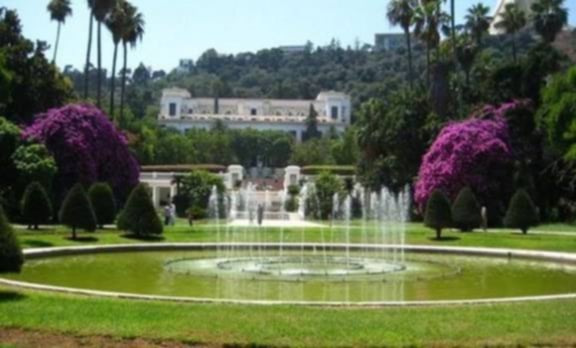
🌿 حديقة التجارب الحامة — جوهرة طبيعية في قلب العاصمة الجزائرية
تزخر الجزائر بمعالم سياحية طبيعية وثقافية لا تُحصى، ومن بين أبرزها حديقة التجارب الحامة، المصنفة ضمن أجمل خمس حدائق في العالم، والأولى في إفريقيا والثالثة عالميًا من حيث المساحة. إنها قبلة لعشاق الطبيعة والباحثين عن التنوع النباتي، حيث تمتد كـ«متحف طبيعي» يروي قصة أكثر من قرن ونصف من التاريخ.
جذور تاريخية
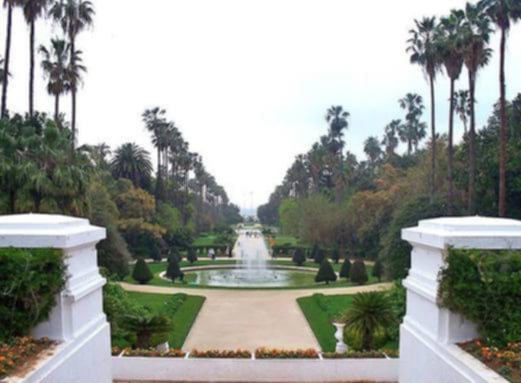
أنشئت الحديقة عام 1832 كمختبر علمي لتجربة أنواع نباتات جُلبت من مستعمرات فرنسا، وأشرف عليها لاحقًا أوغست هاردي الذي ضاعف مساحتها عام 1842. أما تصميمها الحالي فيعود إلى سنة 1929، على يد المهندسين الفرنسيين رينيه وجيون اللذين أعادا تخطيطها بإنشاء حديقتين رئيسيتين: إحداهما على الطراز الفرنسي بأشجار نخيل «الواشنطونيا»، وأخرى بريطانية غنية بالأشجار الضخمة والمساحات الخضراء.
ممرات ساحرة
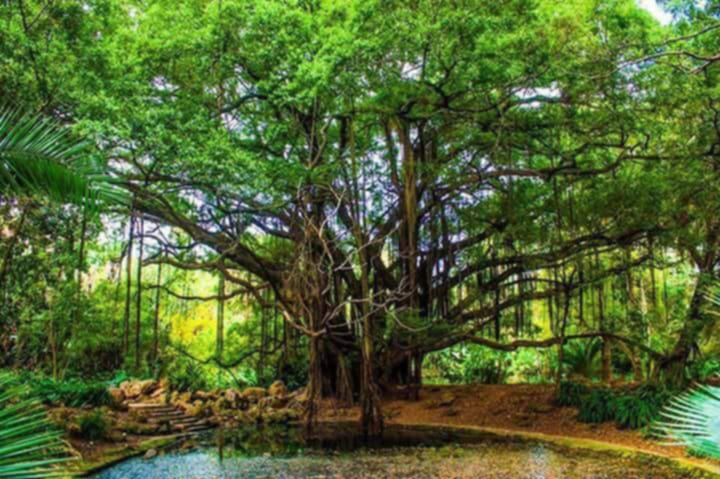
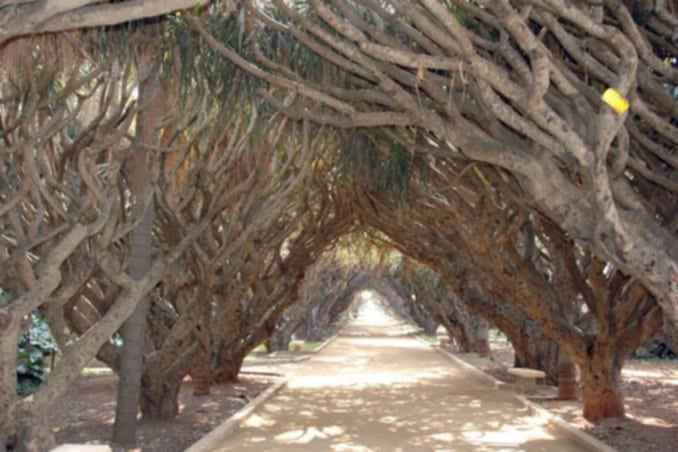
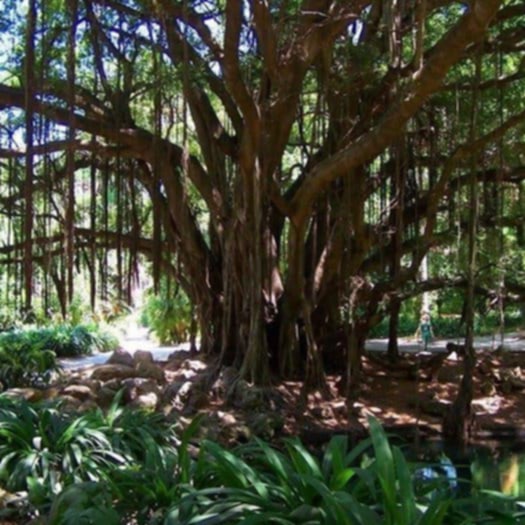
تحتوي الحديقة على ثلاثة ممرات رئيسية مميزة: ممر أشجار «الدارسينا» (أشجار التنين)، ممر أشجار «الشنار» الاستوائية، وممر أشجار «اللبخ» ذات الجذور العميقة. هذه الممرات تظلل الزائر بمشهد طبيعي يضاهي اللوحات الفنية.
موقع استثنائي
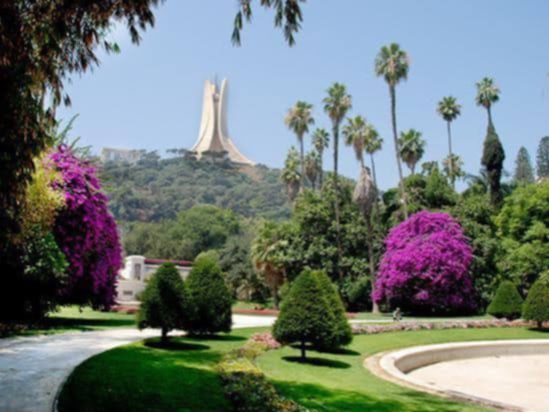
تقع الحديقة وسط العاصمة الجزائرية، مقابل مقام الشهيد، وتمتد على مساحة 32 هكتارًا، على شكل مدرج يصل حتى شارع حسيبة بن بوعلي، وعلى بعد 200 متر فقط من البحر الأبيض المتوسط. هذا الموقع يمنحها مناخًا فريدًا تحميه الجبال المغطاة بالأشجار جنوبًا.
ثـراء نباتي وحيواني
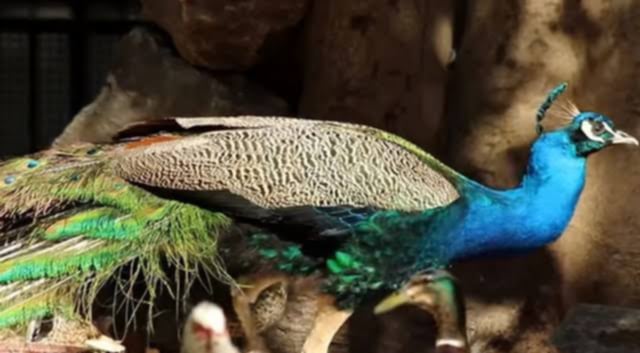
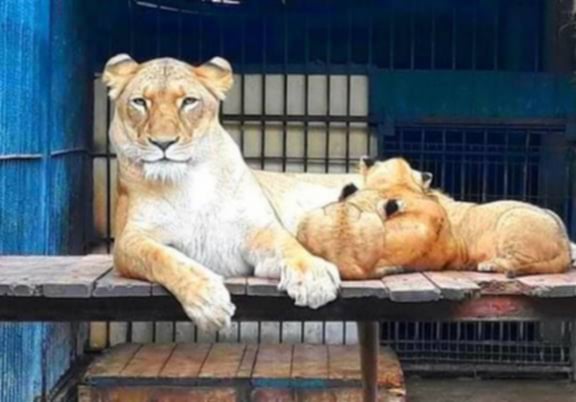
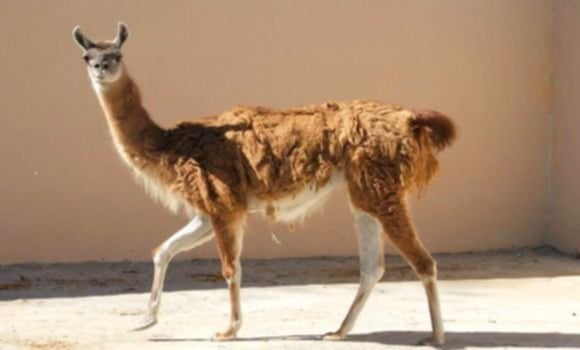
تُعتبر الحامة مكتبة نباتية عالمية تضم آلاف الأنواع الاستوائية وشبه الاستوائية والمتوسطية. من أبرز أشجارها النادرة «دارسينا» المزروعة منذ 1847، و«سيكوز» التي يتجاوز عمرها قرنًا، إضافة إلى «الفيكوس» و«البيلسان» التي يبلغ ارتفاعها 30 مترًا. كما تحتضن حديقة حيوانات تاريخية أنشأها جوزيف دونغ سنة 1900 لتأقلم الحيوانات الإفريقية قبل تصديرها لأوروبا.
معلم عالمي
لم تقتصر شهرة الحديقة على الجزائر فقط، بل احتضنت تصوير أفلام عالمية، منها «طرزان» في ثلاثينيات القرن الماضي. وتضم اليوم مدرسة للبستنة وبنكًا للبذور يحفظ أكثر من 3000 نوع نادر. كل هذا جعلها مقصدًا سياحيًا محليًا وعالميًا ومتنفسًا لعائلات العاصمة.
🌿 Jardin d’Essai du Hamma — A Natural Museum in the Heart of Algiers
Algeria is home to countless natural and cultural landmarks, but one of its most fascinating treasures is the Jardin d’Essai du Hamma, ranked among the world’s top five gardens, Africa’s first, and the third largest globally. It is a sanctuary for nature lovers and a living testimony to the country’s biodiversity and cultural heritage.
Historical Roots
The garden was created in 1832 as a scientific laboratory to test and acclimatize plants brought from France’s colonies in Africa. In 1842, Auguste Hardy doubled its area, and by 1929, French architects Rene and Guion redesigned it to include two main gardens: a French-style garden adorned with Washingtonia palm trees, and an English-style garden dominated by monumental trees and vast green lawns.
Enchanting Avenues
The garden features three main avenues: the “Dracaena Avenue” (Dragon Trees), the “Sycamore Avenue” of tall exotic trees, and the “Albizia Avenue” with deep-rooted deciduous trees. These shaded pathways create an impression of walking under a natural cathedral of greenery.
Exceptional Location
Located in central Algiers, facing the Martyrs’ Memorial, the garden covers 32 hectares in a terraced layout stretching from Mohamed Belouizdad Street down to Hassiba Ben Bouali Street, only 200 meters from the Mediterranean Sea. Its position ensures a mild climate, protected by wooded hills to the south.
Botanical and Zoological Wealth
The Hamma Garden is a true botanical library, home to over 3,000 plant species from tropical, subtropical, and Mediterranean regions. Among its rare trees are the Dracaena (Dragon Tree) planted in 1847, the century-old Cycas, as well as towering Ficus and Elder trees reaching 30 meters high. In 1900, Joseph Dong established the first zoological park in Africa within the garden, used to acclimatize African wild animals before they were shipped to Europe.
A Global Landmark
The garden gained international fame when it hosted the filming of the iconic movie “Tarzan” in the 1930s. Today, it also houses a horticultural school and a seed bank preserving more than 3,000 rare species. With its lakes, alleys, and biodiversity, the Jardin d’Essai remains a must-visit destination for Algerian families and international tourists alike.
🌿 Jardin d’Essai du Hamma — Un Musée Naturel au Cœur d’Alger
L’Algérie regorge de sites naturels et culturels, mais l’un de ses joyaux les plus remarquables reste le Jardin d’Essai du Hamma, classé parmi les cinq plus beaux jardins du monde, le premier en Afrique et le troisième par sa superficie. Véritable havre de biodiversité, il attire les amoureux de la nature et les passionnés d’histoire.
Racines Historiques
Créé en 1832 comme laboratoire scientifique destiné à acclimater des plantes importées des colonies françaises d’Afrique, le jardin fut agrandi en 1842 par Auguste Hardy. En 1929, les architectes français René et Guion lui donnèrent sa configuration actuelle en concevant deux jardins principaux : un jardin à la française orné de palmiers Washingtonia, et un jardin à l’anglaise riche en arbres séculaires et vastes pelouses verdoyantes.
Allées Envoûtantes
Le site comprend trois allées principales : l’allée des « Dracaena » ou arbres du dragon, l’allée des « Sycomores » tropicaux, et l’allée des « Albizias » aux racines profondes. Ces parcours ombragés offrent une atmosphère unique, semblable à une cathédrale végétale.
Un Emplacement Exceptionnel
Situé en plein centre d’Alger, face au Mémorial des Martyrs, le jardin s’étend sur 32 hectares en terrasses, de la rue Mohamed Belouizdad jusqu’à la rue Hassiba Ben Bouali, à seulement 200 mètres de la mer Méditerranée. Cet emplacement lui confère un microclimat tempéré, protégé par des collines boisées au sud.
Richesse Botanique et Zoologique
Le Jardin du Hamma est une bibliothèque botanique vivante, abritant plus de 3 000 espèces végétales provenant d’Afrique, d’Asie, d’Amérique et du bassin méditerranéen. Parmi ses spécimens rares figurent le Dracaena planté en 1847, le Cycad centenaire, ainsi que des Ficus et Sureau atteignant 30 mètres de hauteur. En 1900, Joseph Dong y créa le premier parc zoologique d’Afrique pour acclimater les animaux sauvages avant leur envoi vers l’Europe.
Un Site de Renommée Mondiale
Le jardin acquit une renommée internationale en accueillant le tournage du film « Tarzan » dans les années 1930. Aujourd’hui, il abrite également une école d’horticulture et une banque de semences regroupant plus de 3 000 espèces rares. Ses allées, ses lacs et sa biodiversité en font une destination incontournable pour les familles algériennes et les visiteurs du monde entier.